Takeaways From COP30: What It Means for the Amazon
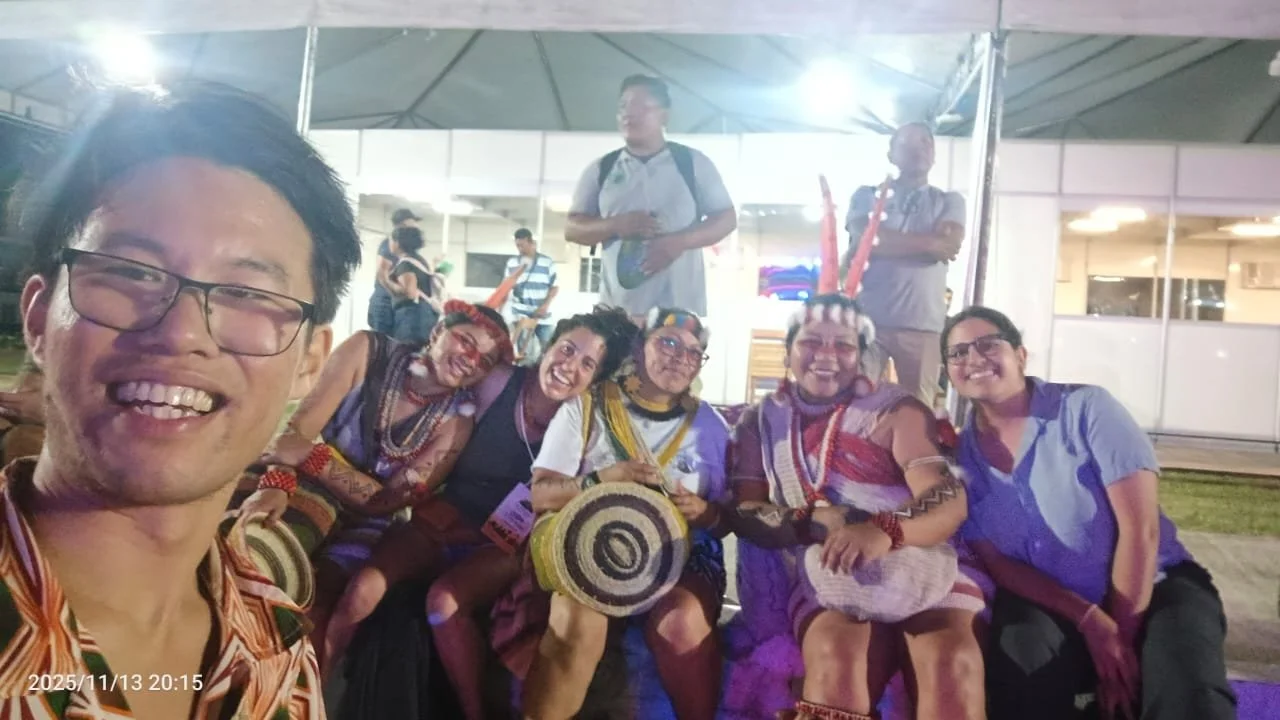
In November 2025, we were present at the COP30 Climate Conference in Belém, Brazil to support Indigenous leadership, engage with fellow conservation practitioners, and contribute to conversations around biodiversity protection, land rights, and climate resilience. The COP30 is especially critical for the Amazon Rainforest as the region faces accelerating climate impacts—from intensifying droughts and fires to biodiversity loss and threats to Indigenous livelihoods—making global climate commitments urgently relevant to the forest and the people who protect it.
Below are ten key takeaways from the COP30 conference, as particularly relevant to the future of the Amazon Rainforest:
Holding COP30 in the Amazon changed who was present, but not who held power
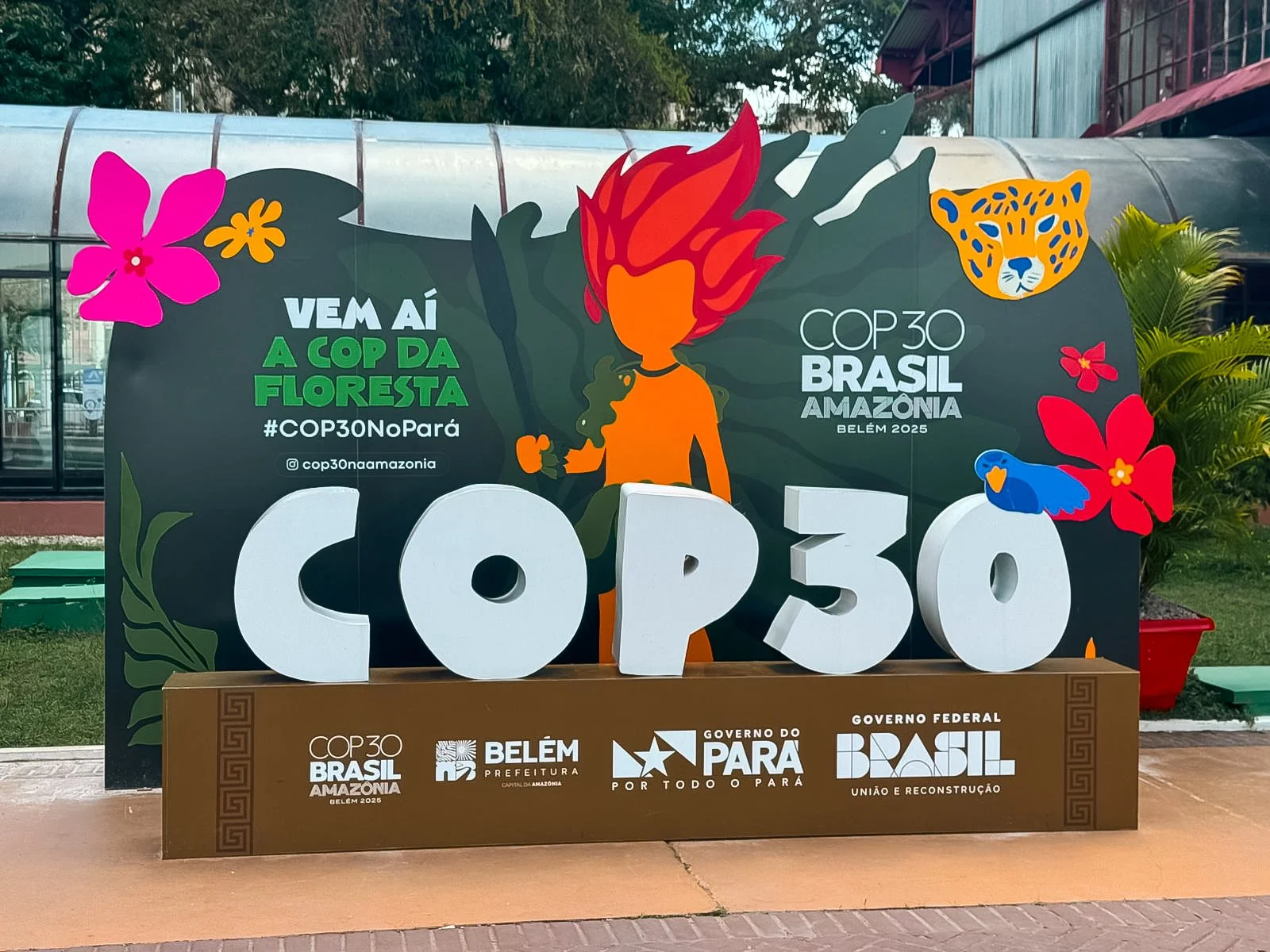
COP30 took place in Belém do Pará, Brazil, near the mouth of the Amazon River. This was the first time a UN climate conference was held directly within the Amazon region itself. This location made participation possible for Indigenous peoples from the Amazon, grassroots organizations, and Amazon-focused movements that are often excluded when COP is hosted in the Global North. The physical presence of the Amazon reshaped conversations, grounding abstract climate targets in lived realities of deforestation, drought, fire, and territorial loss. Yet, despite broader participation, decision-making power remained concentrated, revealing the persistent gap between inclusion and influence.
The official outcomes of the conference did not match the scale of the Amazon’s crisis
While COP30 acknowledged the importance of forests and nature-based solutions, the agreements fell short of the urgent action needed to protect the Amazon from tipping points. Commitments continued to emphasize long-term goals and voluntary pledges rather than immediate reductions in fossil fuel extraction and deforestation. Financial commitments for adaptation, mitigation, and Loss and Damage were repeatedly discussed, but concrete, accessible pathways for Amazonian and Indigenous communities remained limited, reinforcing long-standing concerns about implementation.
The Amazon was celebrated rhetorically while being commodified in practice
Throughout COP30, the Amazon was framed as essential to global climate stability, yet this recognition often came packaged in market-based solutions such as carbon offsets and “natural climate solutions.” These approaches risk turning forests and Indigenous territories into financial assets, rather than recognizing them as living systems sustained by long-standing governance, cultural knowledge, and care.
Greenwashing and extractive interests sadly remained deeply embedded in the COP process
Fossil fuel companies, agribusiness interests, and other extractive sectors maintained a strong presence at COP30, frequently promoting narratives of net-zero expansion, sustainable extraction, or deforestation-free supply chains. These narratives largely avoided confronting the root drivers of Amazonian destruction, including oil and gas expansion, industrial agriculture, mining, and infrastructure development—an especially stark contradiction given the conference’s location.
Indigenous leadership was visible, but systematically sidelined
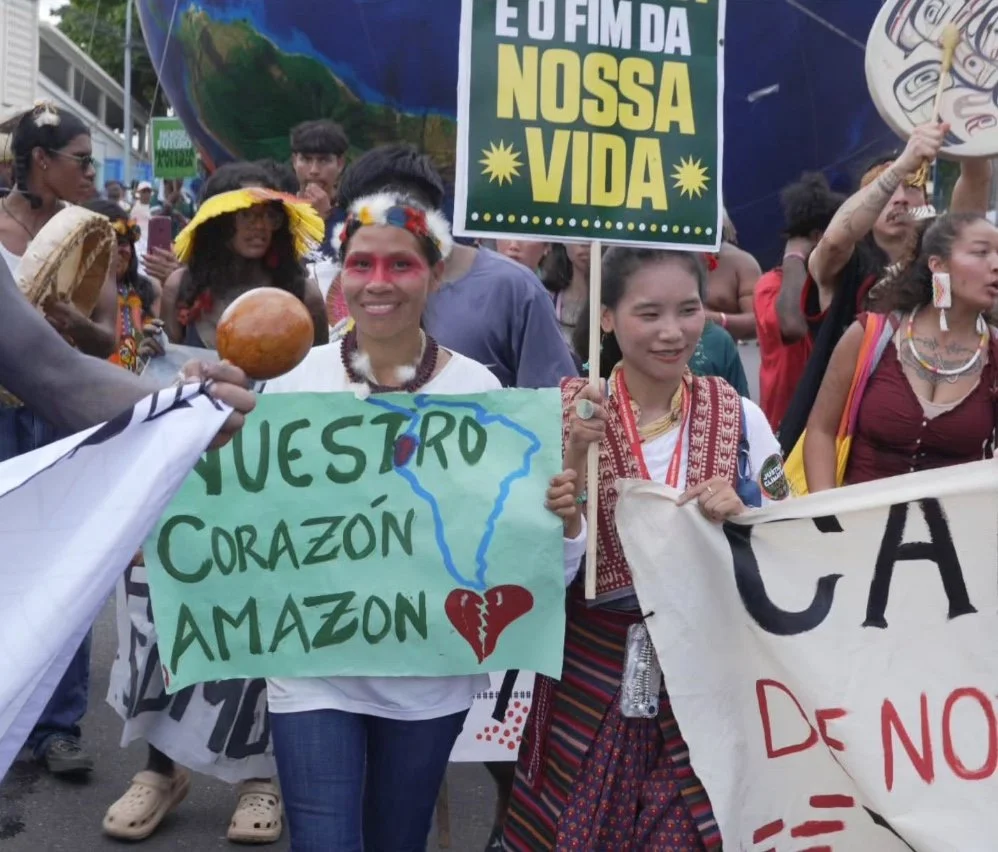
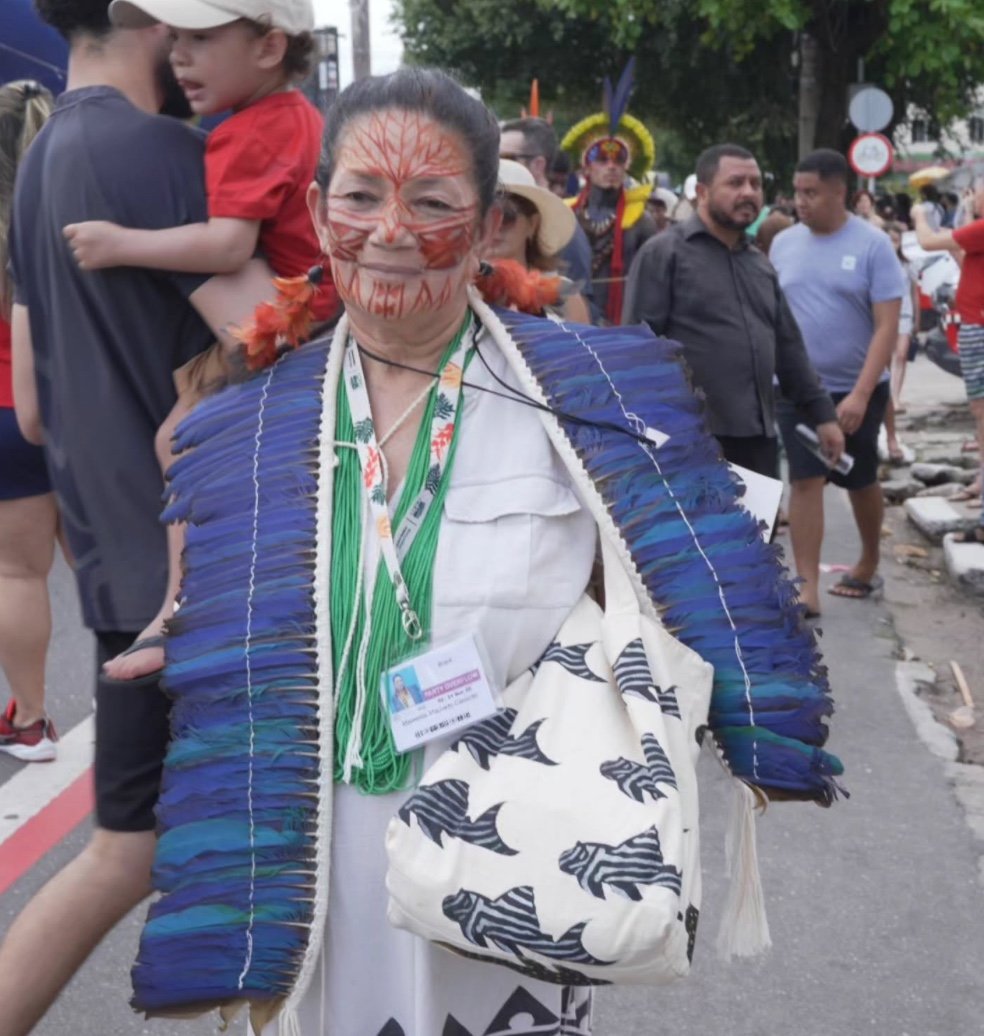
Indigenous peoples from across the Amazon basin were among the most powerful voices at COP30, emphasizing that Indigenous territories remain the most effective barrier against deforestation and ecosystem collapse. At the same time, restricted access to decision-making spaces highlighted ongoing exclusion, culminating in iconic protests, including the impromptu storming of the COP blue zone in response to the commercialization of Indigenous territories and the absence of Indigenous authority in negotiations.
The People’s Summit demonstrated what Amazon-centered climate action can look like
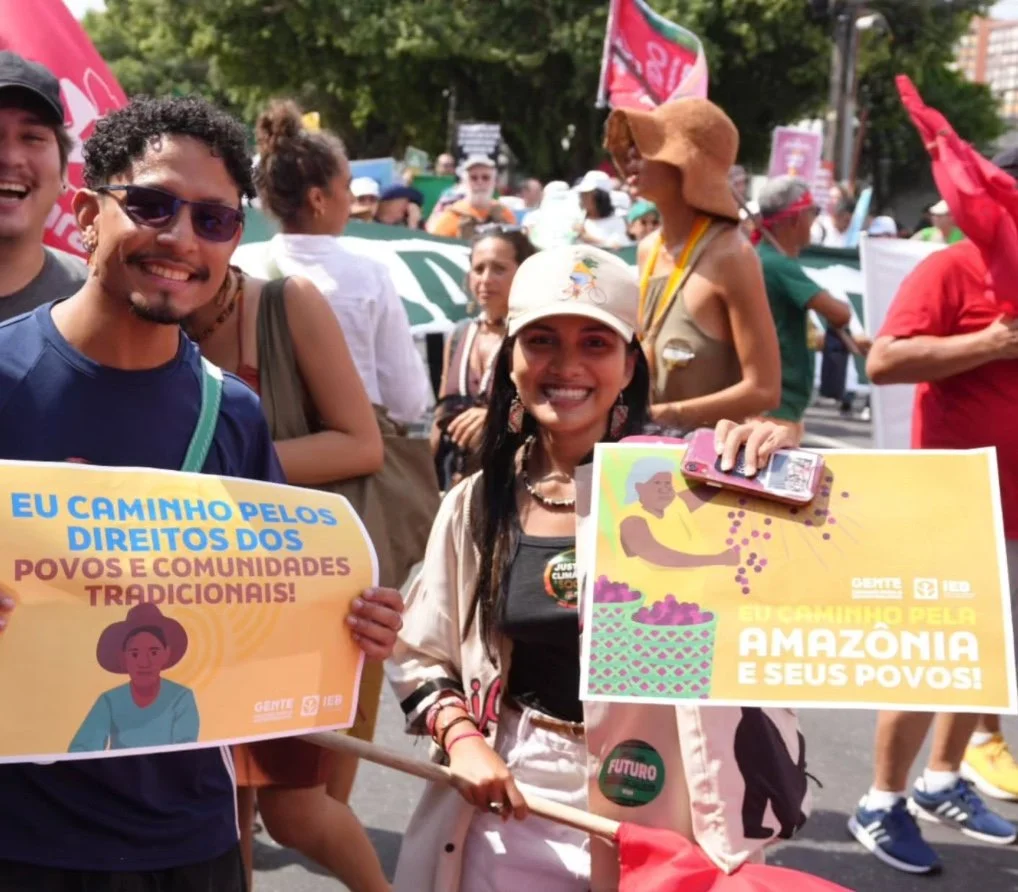
Parallel events such as the People’s Summit provided space for dialogue, resistance, and imagination beyond the formal COP process. These gatherings centered Indigenous, Afro-descendant, and community-led visions for the Amazon’s future. Participants shared concrete examples of territorial defense, grassroots monitoring technologies, food sovereignty initiatives, and pathways toward a just transition rooted in rights, reciprocity, and care for land and water.
New collaborations and strengthened existing networks
Beyond the official negotiations, COP30 served as a powerful convening space for us to build relationships across movements, disciplines, and geographies focused on the Amazon. The ARCC team connected with Indigenous leaders, researchers, technologists, artists, and advocates working on everything from territorial monitoring to alternative economic models. Many of these exchanges have already sparked new collaborations, shared projects, and long-term partnerships that extend well beyond the conference itself. These connections underscored that some of the most meaningful outcomes of COP happen not in plenary halls, but in conversations, workshops, and moments of solidarity on the sidelines.
COP30 made clear that the Amazon’s future will not be decided in negotiation halls alone
While COP30 elevated the Amazon’s global visibility, it also revealed the limits of international climate negotiations. Declarations and pledges matter only if they translate into real changes on the ground. The future of the Amazon hinges on halting fossil fuel expansion, confronting deforestation at its economic roots, and upholding Indigenous sovereignty in practice—not just in principle.
Lack of United States involvement was noticeable and impactful
For the first time in decades, the United States did not send an official high-level delegation to COP30, reflecting its federal withdrawal from key international climate commitments. This absence removed a major historical emitter and potential source of climate finance and political leadership from the negotiations, contributing to a weakened sense of collective global engagement and leaving a leadership gap that other nations and coalitions had to fill. Without U.S. participation, talks sometimes struggled to build broad consensus on tough issues like fossil fuel phase-out and robust climate finance, as traditional negotiating blocs shifted and emerging powers exerted more influence. At the same time, a few commentators suggested that the absence of an oppositional U.S. delegation may have reduced friction in some discussions, although the overall impact highlighted the ongoing importance of inclusive, ambitious participation from all major emitters in global climate processes.
Despite its shortcomings, COP30 reinforced why this work matters
For the ARCC team, COP30 was a reminder that progress often comes from collective action and shared vision, even in imperfect spaces. The relationships built, ideas exchanged, and examples of resistance and innovation we encountered left us energized and committed to deepening our work for an Amazon that is protected, self-determined, and thriving.